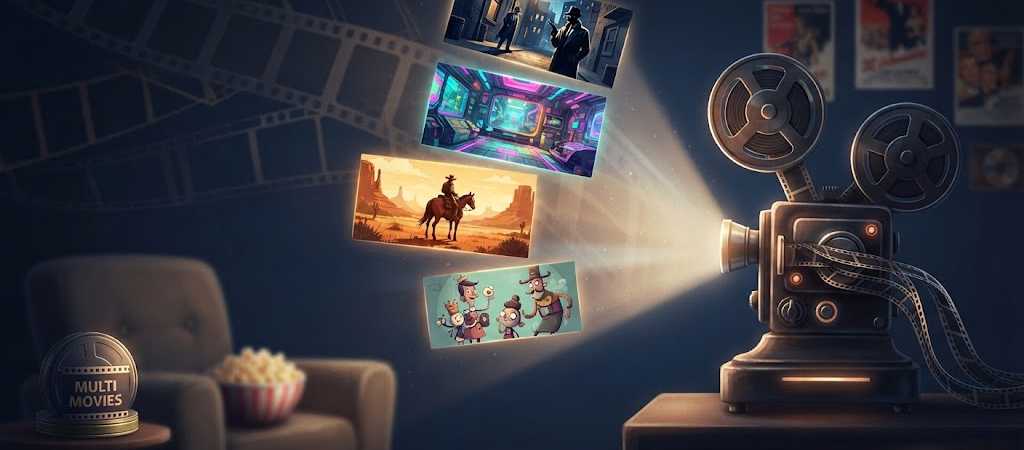
Are you tired of predictable three-act structures? Do you crave variety in your viewing experience? The multi movies format, commonly known as anthology films, offers a refreshing break from standard cinema by presenting several distinct narratives within a single feature.
What Defines Multi Movies?
At their core, multi movies consist of a collection of short films or segments unified by a common theme, setting, or narrative device. Instead of one long plot, directors stitch together different stories that might share a character or simply a thematic thread. This format allows creators to experiment with genre and tone without committing to a feature-length runtime for each idea.
The History of Segmented Cinema
Anthology filmmaking gained traction in the early 20th century as a way for directors to showcase diverse storytelling styles. Classic examples like Dead of Night (1945) proved that audiences enjoyed the “short story” approach to cinema. Over the decades, this style evolved from strictly horror-based tales into complex dramas and experimental art projects.
Storytelling Benefits of Multi Movies
Filmmakers use multi movies to explore specific concepts from various angles. By breaking the film into segments, writers can:
- Maintain high pacing throughout the runtime.
- Feature multiple directors, actors, or visual styles.
- Connect seemingly unrelated characters through a “bridge” story.
- Provide a complete character arc within 15–20 minutes.
Popular Types of Anthology Structures
Not all multi movies follow the same rules. Filmmakers generally utilize one of these three frameworks:
| Structure Type | Description | Classic Example |
| Framing Device | A central story connects all the smaller segments together. | Tales from the Crypt |
| Thematic Link | Segments are disconnected but share a specific subject. | Paris, je t’aime |
| Chronological | Stories happen in the same location over different eras. | Four Rooms |
Why Modern Audiences Love Multi Movies
Short-form content dominates our daily media consumption, making the multi movies format feel naturally engaging. Viewers appreciate the “palette cleanser” effect of switching stories, which keeps boredom at bay. Platforms like Netflix have popularized this further, proving that anthology series and films remain highly binge-worthy in the digital age.
Iconic Examples You Should Watch
If you want to experience the best of this genre, start with these acclaimed titles:
- Pulp Fiction: While often viewed as a single narrative, its non-linear structure functions like an interconnected anthology.
- The Ballad of Buster Scruggs: A distinct collection of six Western tales by the Coen Brothers.
- V/H/S: A modern horror staple that uses the “found footage” trope to link terrifying shorts.
- Cloud Atlas: An ambitious take where multi movies collide across centuries using the same cast.
Critical Reception and Production
Critics often praise multi movies for their creative risks, though consistency remains a challenge. If one segment fails to land, it can impact the perception of the entire film. Production-wise, these projects require seamless editing to ensure the transition between segments feels intentional rather than jarring.
Tips for Creating Your Own Anthology
Aspiring filmmakers looking to produce multi movies should focus on a strong “hook.” Whether it is a shared location or a recurring object, your unifying element must be clear. Collaborate with diverse writers to ensure each segment brings a unique voice to the screen, keeping the audience invested from start to finish.
Future Trends in Segmented Storytelling
The rise of interactive media suggests a bright future for multi movies. We now see films where viewers choose the order of segments or influence the outcome of specific chapters. This evolution turns the passive experience of watching a movie into an active, personalized adventure.
How to Find High-Quality Anthology Films
Streaming services often categorize these under “Anthology” or “Experimental.” Look for festivals or curated lists that highlight international multi movies, as global cinema frequently uses this format to explore cultural identity. Checking ratings for individual segments can also help you identify the best viewing experiences.
Frequently Asked Questions
1. What is the main difference between multi movies and regular films?
Regular films follow one continuous plot from start to finish. Multi movies are composed of several independent stories linked by a theme or character.
2. Are all multi movies horror films?
No. While horror is a popular genre for multi movies, there are many excellent comedies, romances, and dramas that utilize this format.
3. Do anthology films have a single director?
They can, but many multi movies feature “omnibus” direction, where different directors handle different segments to provide stylistic variety.
4. Why is the anthology format becoming more popular?
It aligns with the modern preference for shorter, high-impact storytelling and provides more flexibility for creative experimentation.
5. Are “Pulp Fiction” or “Crash” considered multi movies?
Yes, they fall under the “hyperlink cinema” or “interconnected anthology” subgenre, where multiple character arcs intersect to form the main story.
6. Where can I stream the best multi movies?
Platforms like Criterion Channel, MUBI, and Netflix offer extensive libraries of classic and modern anthology films.
Final Thoughts
Whether you are a casual viewer or a cinema enthusiast, exploring multi movies opens doors to creative storytelling you might otherwise miss. These films prove that sometimes, a collection of small stories creates a much larger impact than a single traditional narrative. Next time you scroll through your favorite app, skip the standard blockbuster and dive into an anthology instead.
Also Read More:https://multimoviespro.com/